The read: Arcade cannot outbid the category's install auction, and should not try. It can out‑premiere it: desire for single titles is the one surface where the giants spend almost nothing, and where Apple's catalog, brand and owned screens are an unfair advantage. The films below are that strategy, running.
The anthem runs first: the whole catalog in one unbroken shot. Then the premieres, one game at a time. Every title is a real game on Apple Arcade today, every film carries its own story in a register chosen from the game itself, and no two feel like the same commercial twice. Under each film: the frames the story stands on.
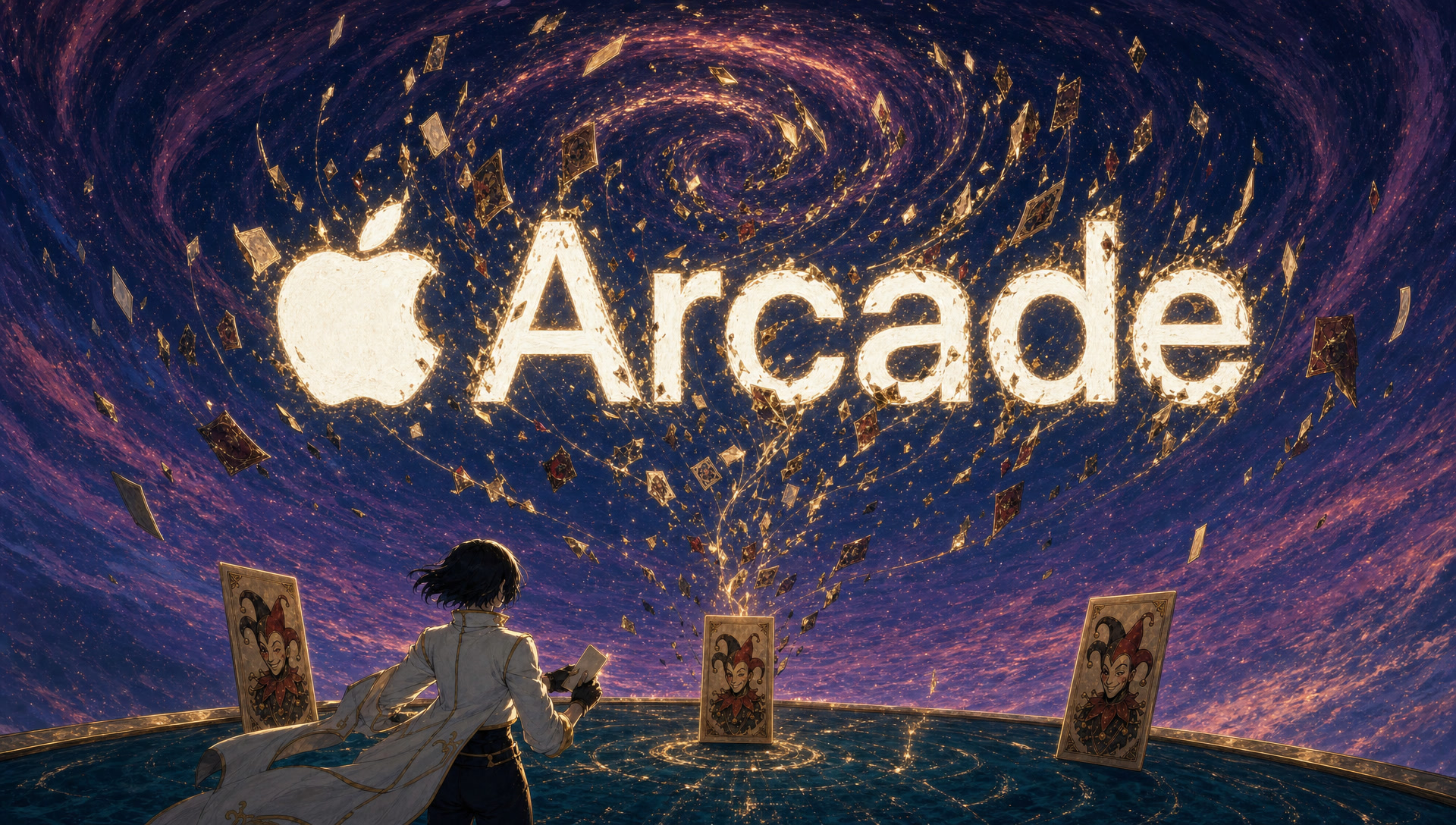
Thirty seconds, eight worlds, eight handmade animation mediums, and no cuts anywhere: every world pours into the next. Coffee steam into low-poly fog, pixel sparks into dropping felt threads, a stitched seam peeling open onto painted temple stone, an ink stroke blooming into paper-cut waves, the night sea thickening into an oil-painted map.
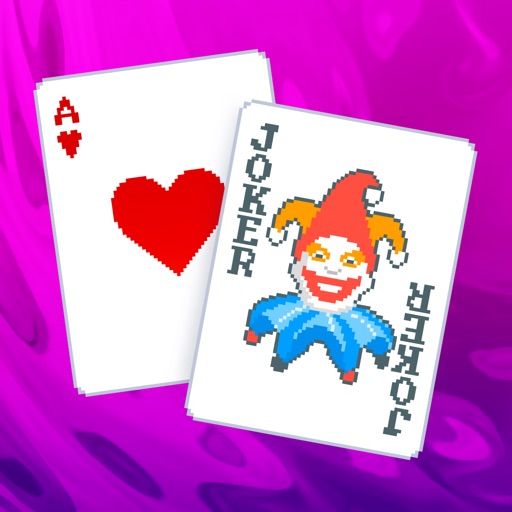
This is not the category's montage, and no mark rides a tile. Each game's mark lives inside its world: the wordless screen-print diner waking in the line's wake, the golfer's drive bursting the house off the tee, the ace and joker risen from their fan, the felt prince meeting his ball, the complete gold guardian tearing out of the temple beneath a cracked LEGENDS lintel, the watermelon split on bare paper by one stroke, the DREDGE letters hung swinging in the storm, the map's own gold holding the CIV VII seal. One white line of light gathers the worlds into the shelf, then writes the full Apple Arcade lockup itself. It ends where the service begins: one subscription, and the marquee lit.


Thirty seconds of the whole shelf tells the room how big the program is before any single title speaks. The premieres below slow down and sell the games one at a time.
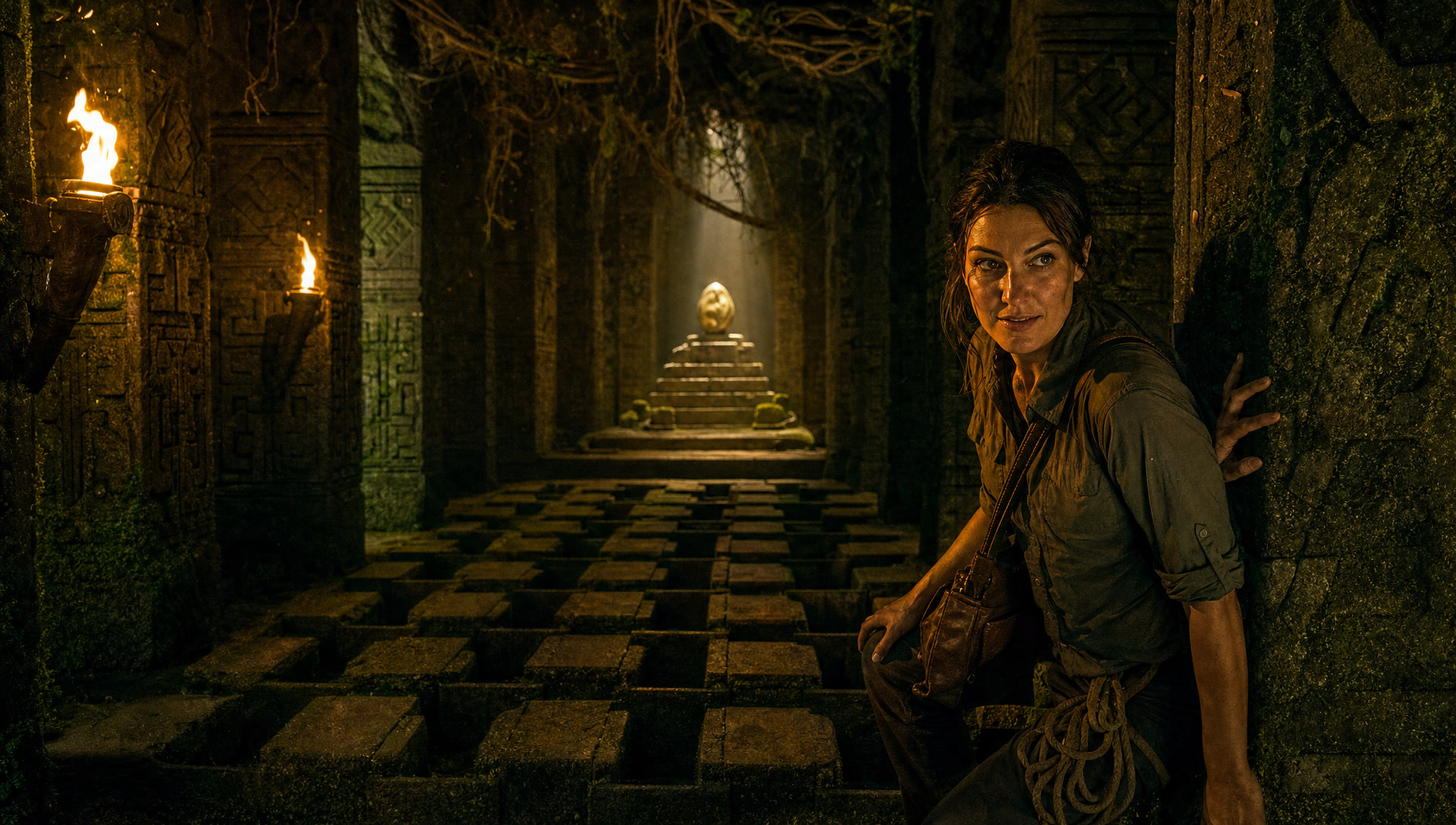
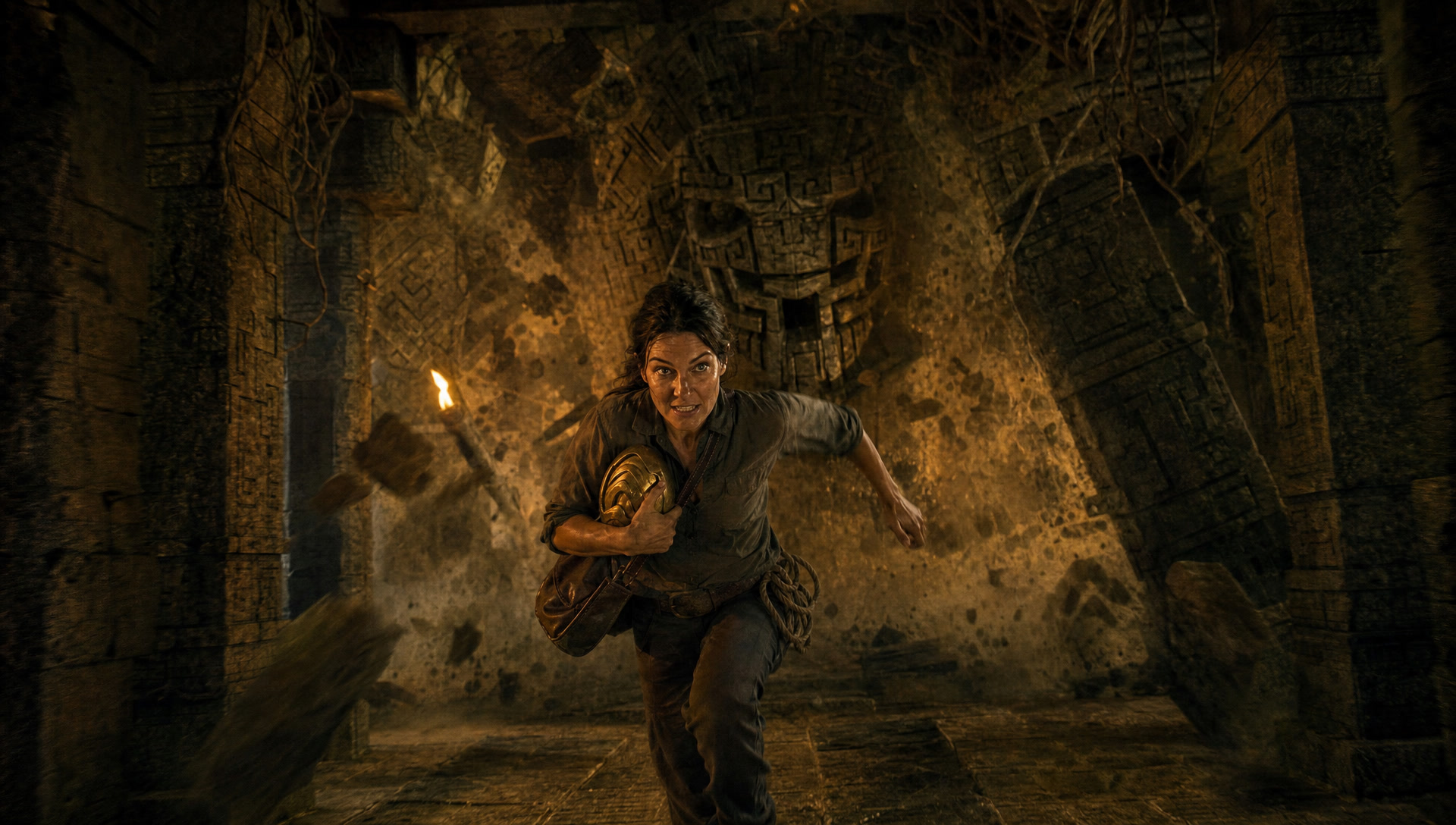
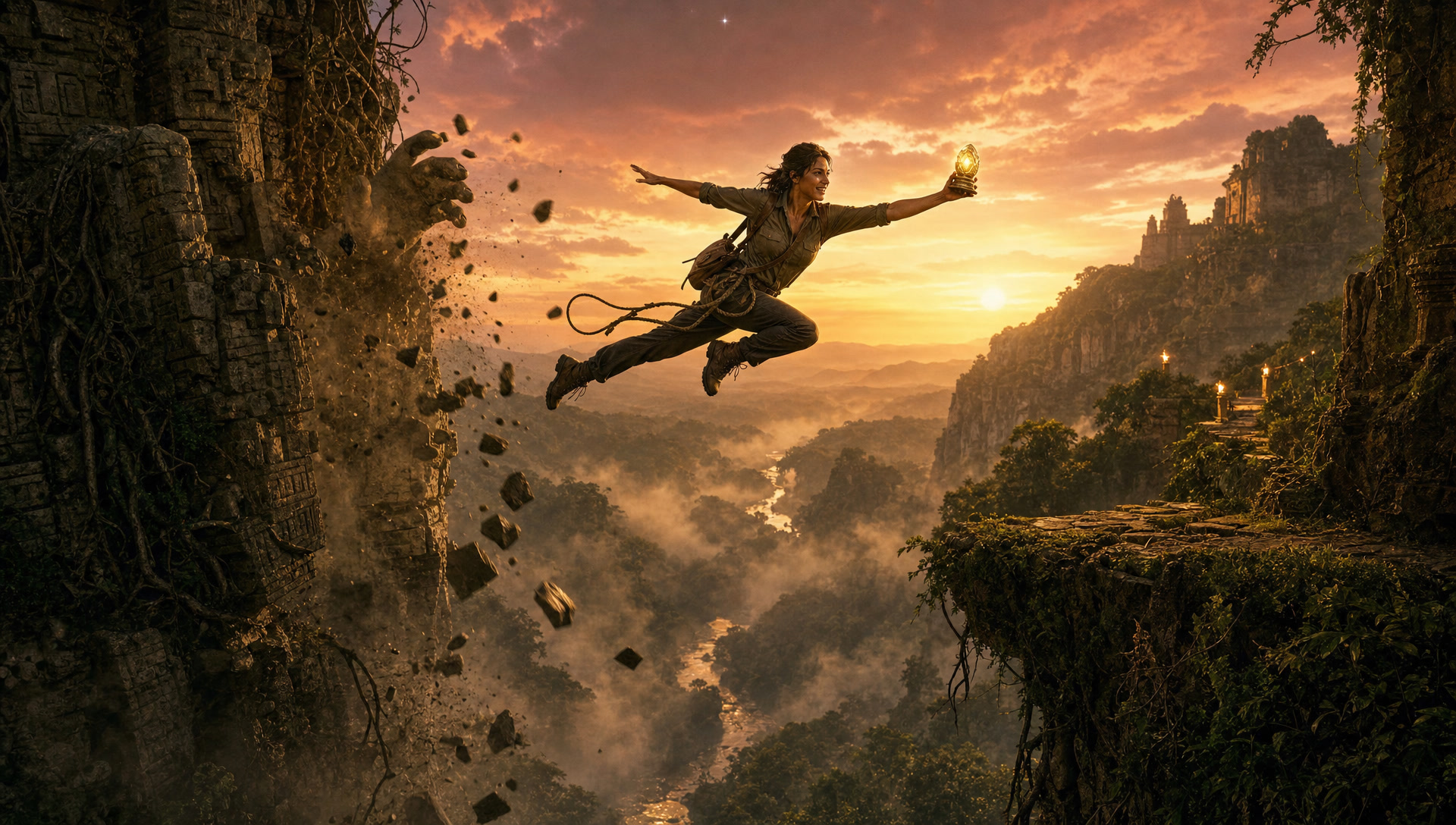
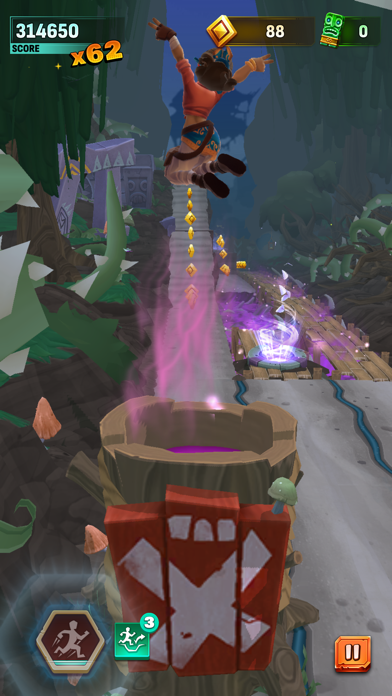
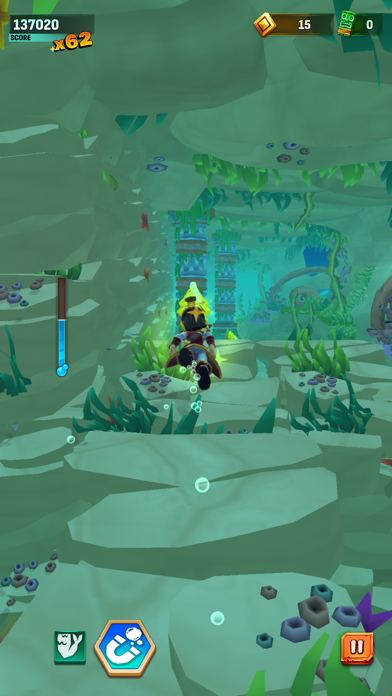
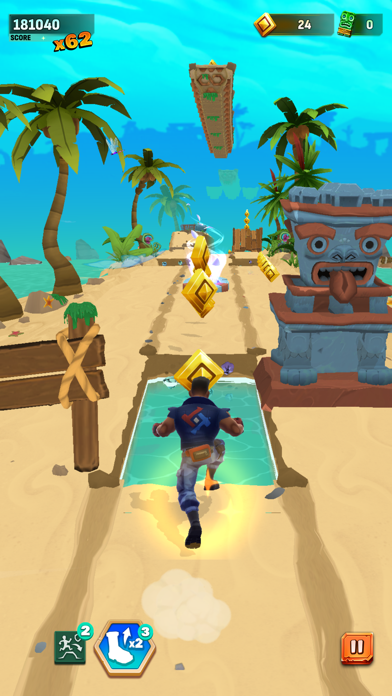
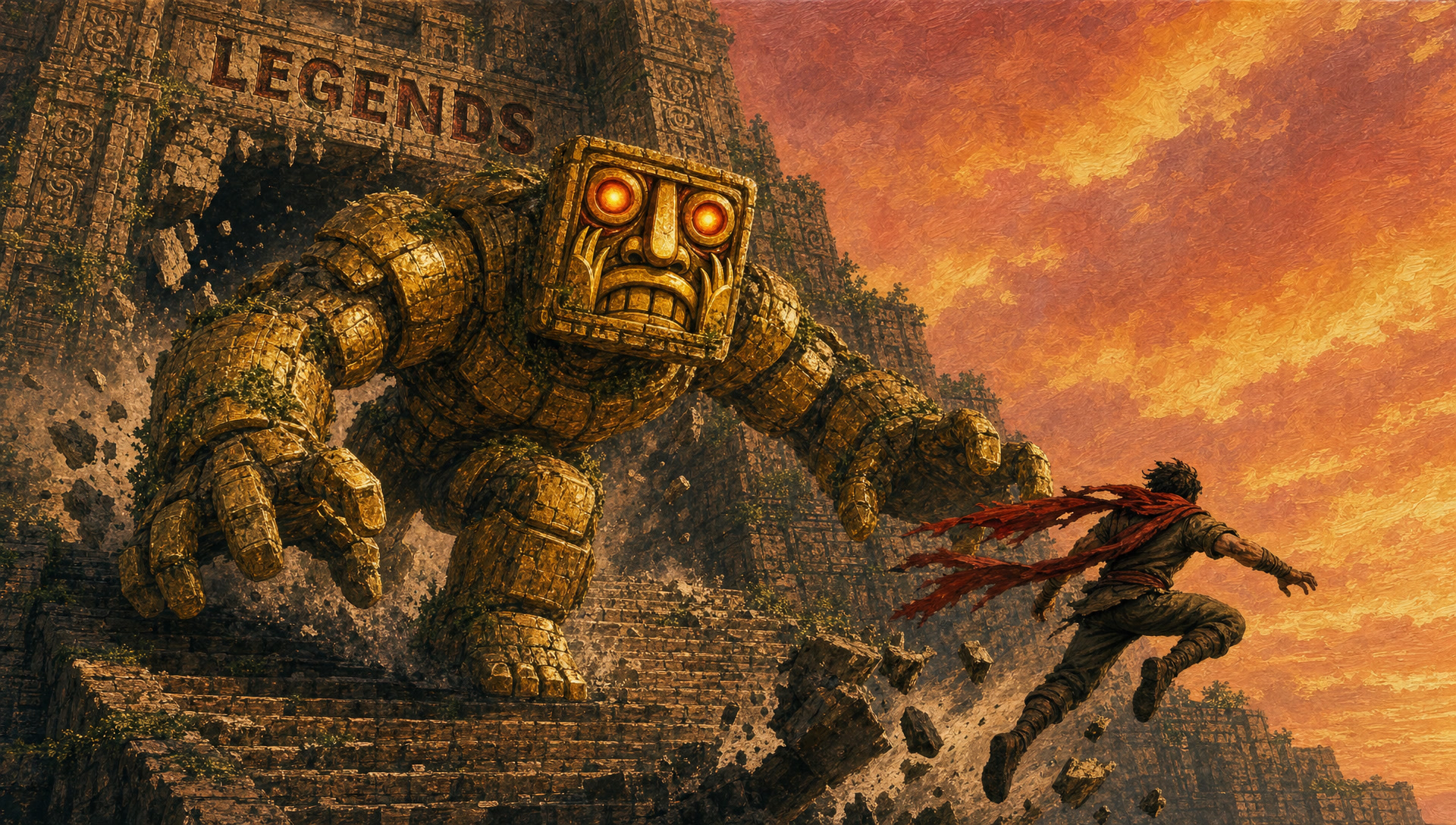
A heist with one rule: the temple objects. She lifts the idol, the wall becomes a guardian, the floor starts leaving, and the chase pours out of the mountain into golden dusk, where one full‑commitment leap turns into the best run of her life.
Temple Run is the franchise that taught phones what running means, and Legends is its complete edition: every ad‑break and paid revive stripped out, because on Arcade there is nothing to sell mid‑sprint. So the film never stops moving either. Radio‑crackle dialogue, cuts on action, and a road ahead dotted with torches and more temples. She is glad about it.


The endless runner is a story engine that has never been cut like an action film. Give the loop a protagonist and a payoff and the loop itself becomes the desire.
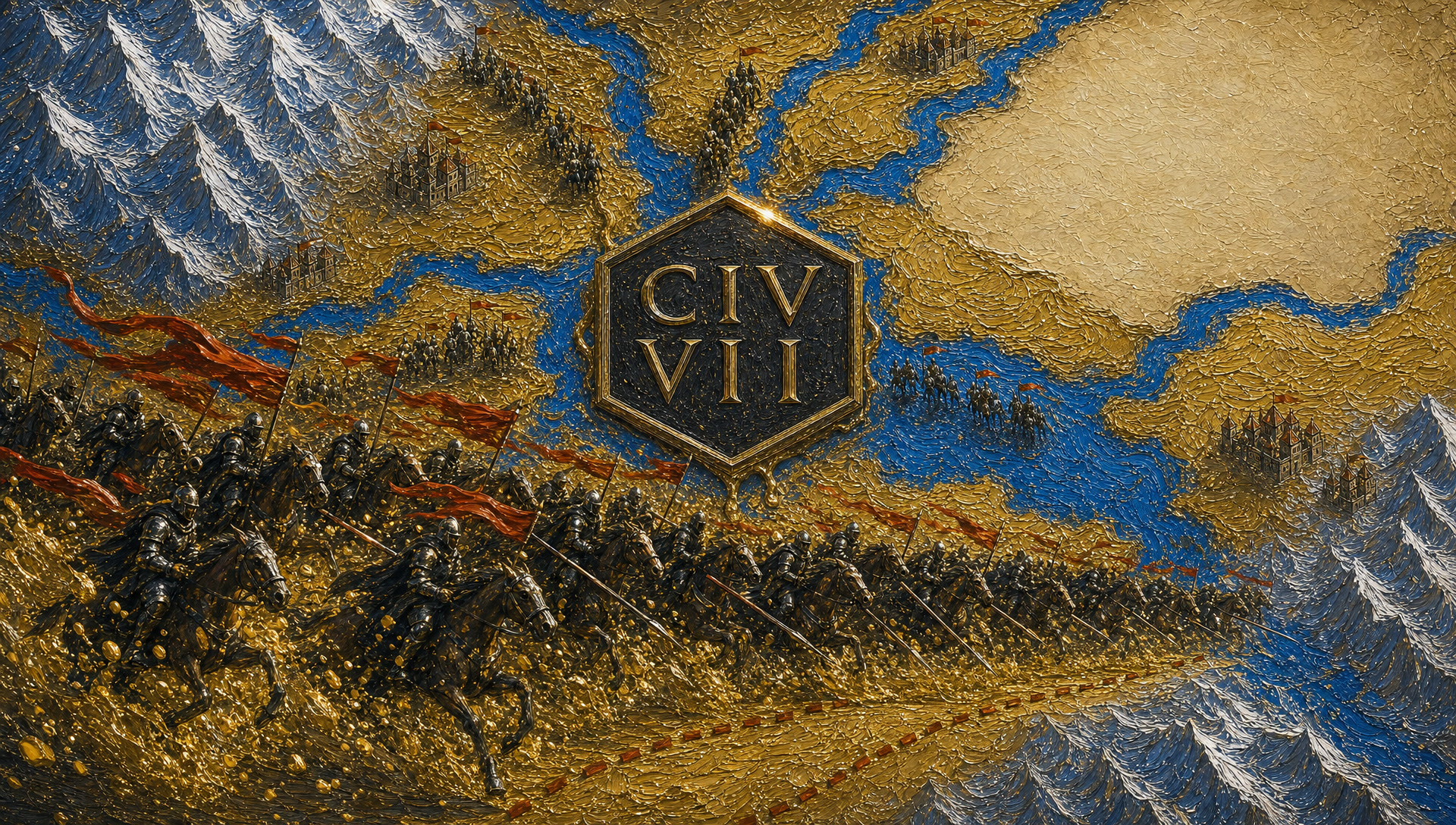
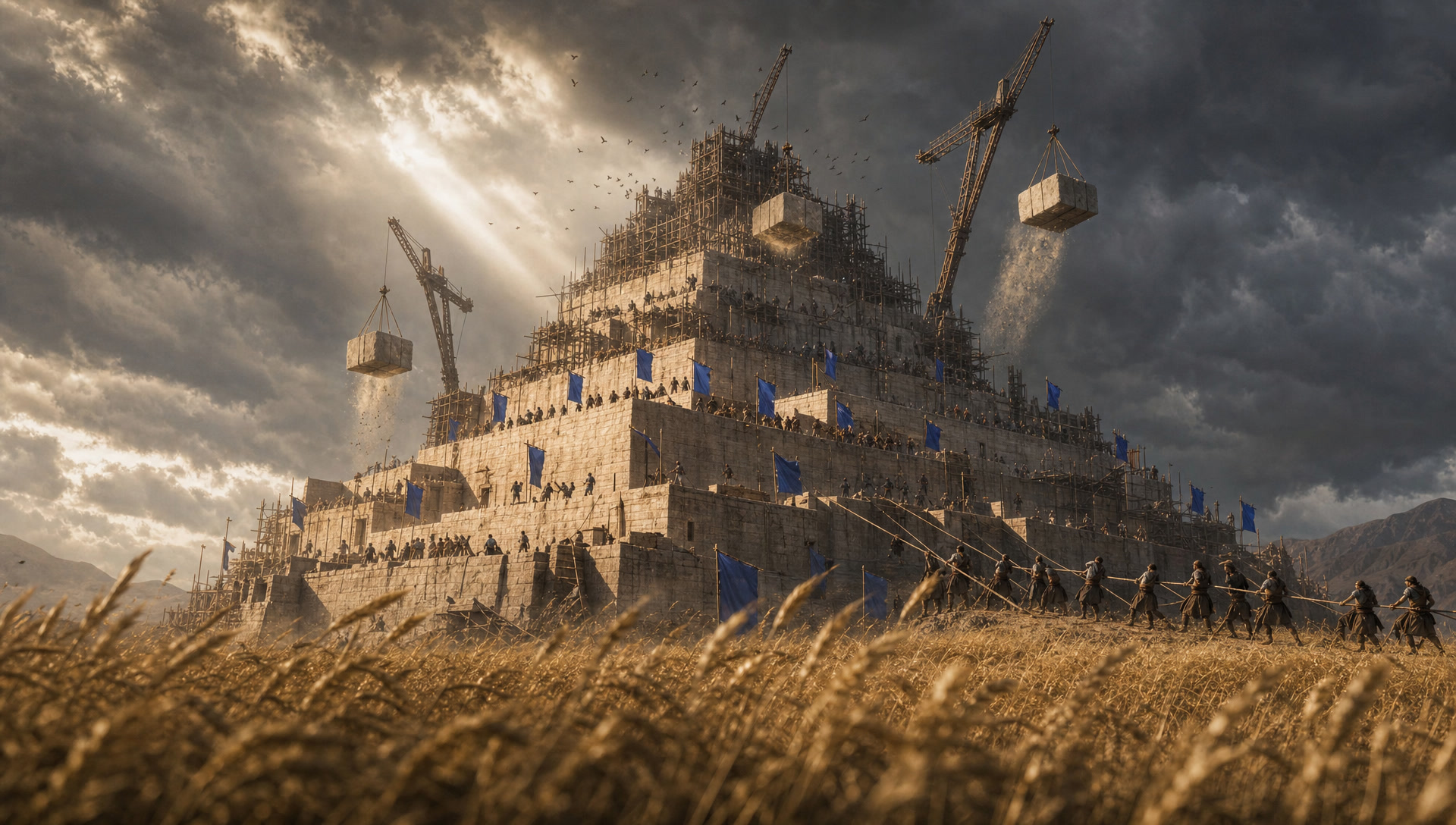
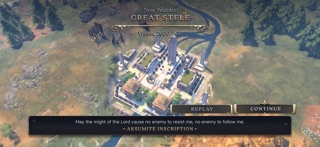
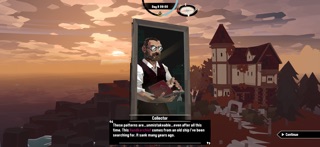
The camera dives into a painted map and the world turns real mid‑fall: dawn over a city already built, two armies gathering at its edges, banners taking actual wind.
Civilization arrived on Arcade in February, the biggest strategy name in games now living in a pocket. The film gives it a trailer with real blood pressure: heralds call it, cavalry pours across the plain with drums underneath, eras blur mid‑gallop, a wonder climbs inside its scaffolds. And the last shot pulls back out to the map table, where the next turn is already waiting. One more turn is not a habit here. It is a promise.



A four‑thousand‑year game deserves a film with sweep. Play the ages as spectacle, and let the pull of one more turn close it.

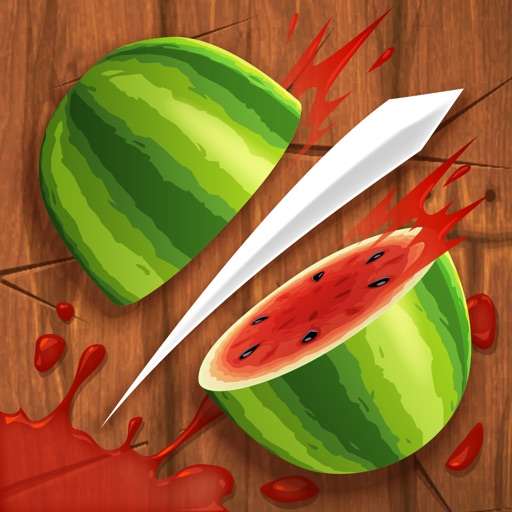
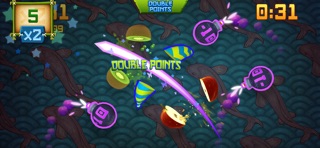
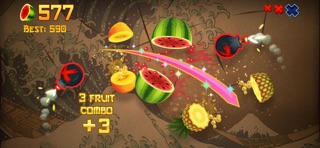
A coastal town's festival night, and the fireworks are fruit. The master hands her apprentice the finale, the whole rack goes up at once, and the sky fills with arc-light: blooms in every fruit's own color, a watermelon opening into a chrysanthemum, juice-mist raining in willow trails, and one black bomb shell that the arcs part around, letting it fall dark into the bay.
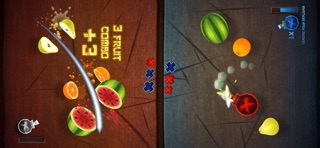
Fruit Ninja is the swipe a whole generation learned first, and the film stages the game's exact screen as a town tradition: fruit against the dark, white streaks, combo runs, the one thing you never touch. The shore roars, and the master says the order back like a verdict.


The swipe a whole generation learned first, staged as the town's proudest night, with the game's own physics and its one sacred rule.
Her ball is dropping toward the cup when the pin uproots itself and bolts, sod flying, gone over the rise. "Fine." The pursuit never cuts on the ground: the camera rides her next arc as one valley turns from summer to autumn beneath the same hanging ball, and she walks in among the red leaves already lining up the next shot.
She crests a glacier lip where the desert begins in the very same sky, putts the length of a swaying rope bridge while the flag watches from the far rim, and corners it on a cliff over the ocean. The tap-in drops, the flag bows, and its last ripple leaves the cloth to write the mark over the water while the game's own figure is mown into the green below. "Par."


The game's most iconic gag is that the WORLD misbehaves: the hole itself runs. One ball, five worlds and no cut on the ground turn that gag into a quest the film plays completely straight.
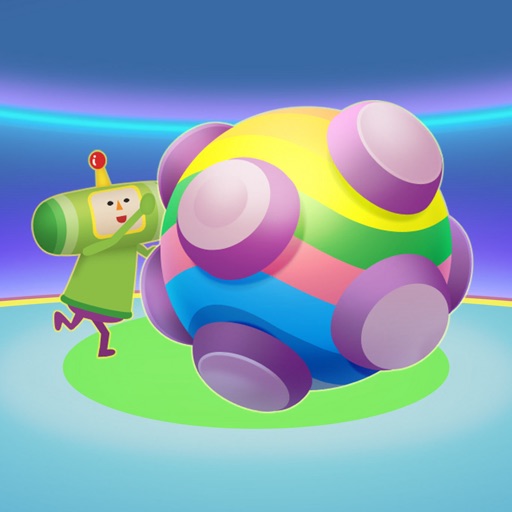
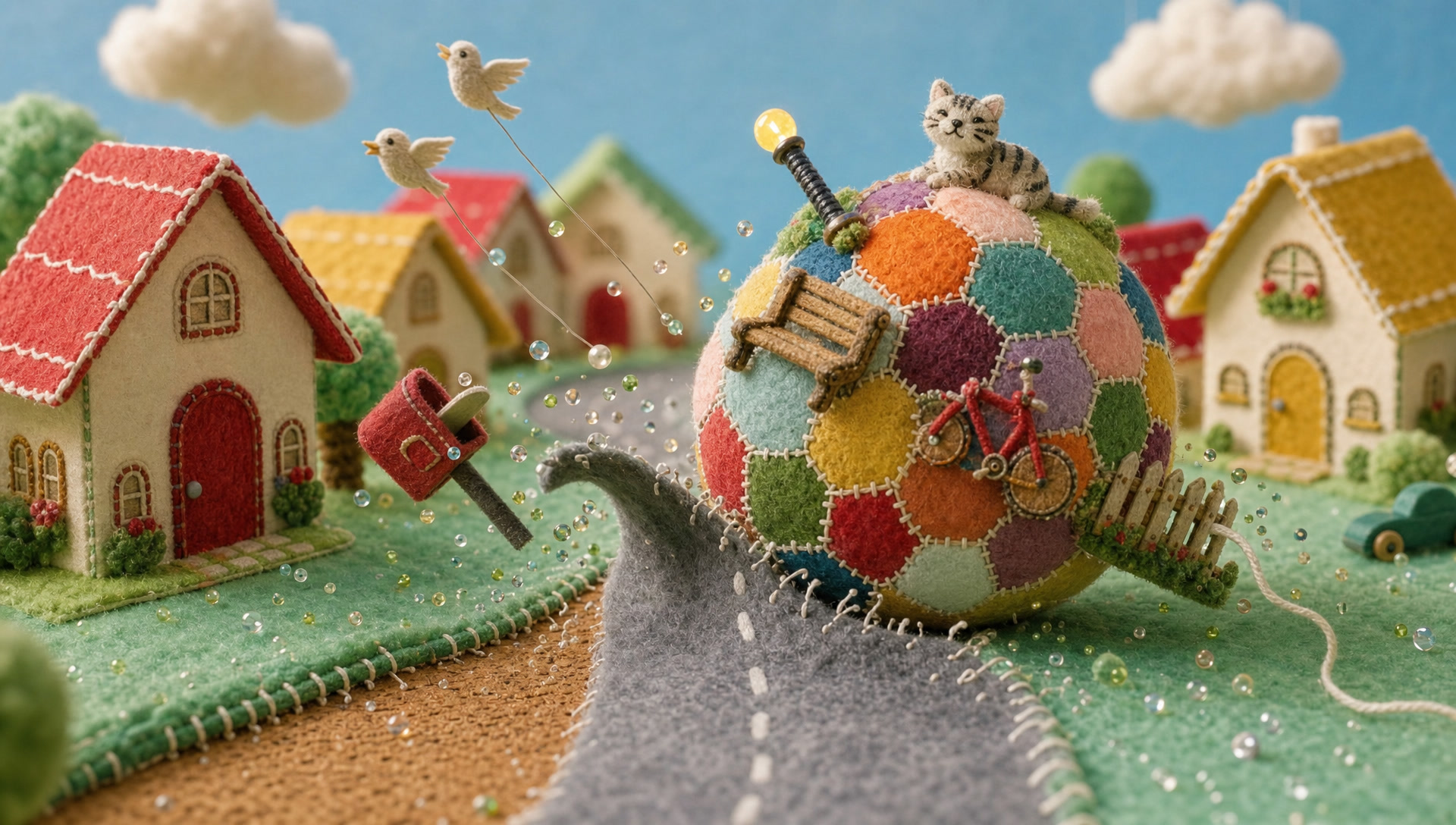
A felt‑and‑cardstock town, stitched lawns, glue‑dot dew, and a patchwork ball that politely takes everything: the bench, the bicycle, the cat, then the street itself, rolling off the table edge of the world into a paper sky. There it rests among the pinned clouds while the day signs itself: the Apple Arcade mark stitched into the sky in white thread, and the game's own icon sewn beside it as a felt patch.
Katamari has been gaming's purest joy machine for two decades, and Rolling LIVE brings it to the pocket. The film answers craft with craft: a world you could touch, built the way the game feels, where the absurd escalation reads as generosity instead of chaos. Everything goes with her, and everything is happier for it.


Craft mediums photograph the way toys feel, and joy is the most shareable register the service owns. This is the premiere people send to someone else.
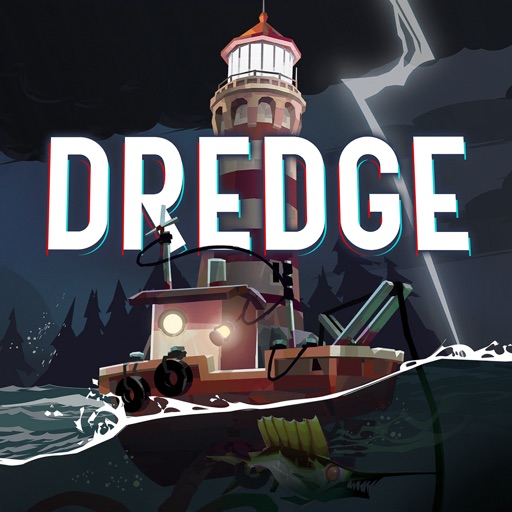
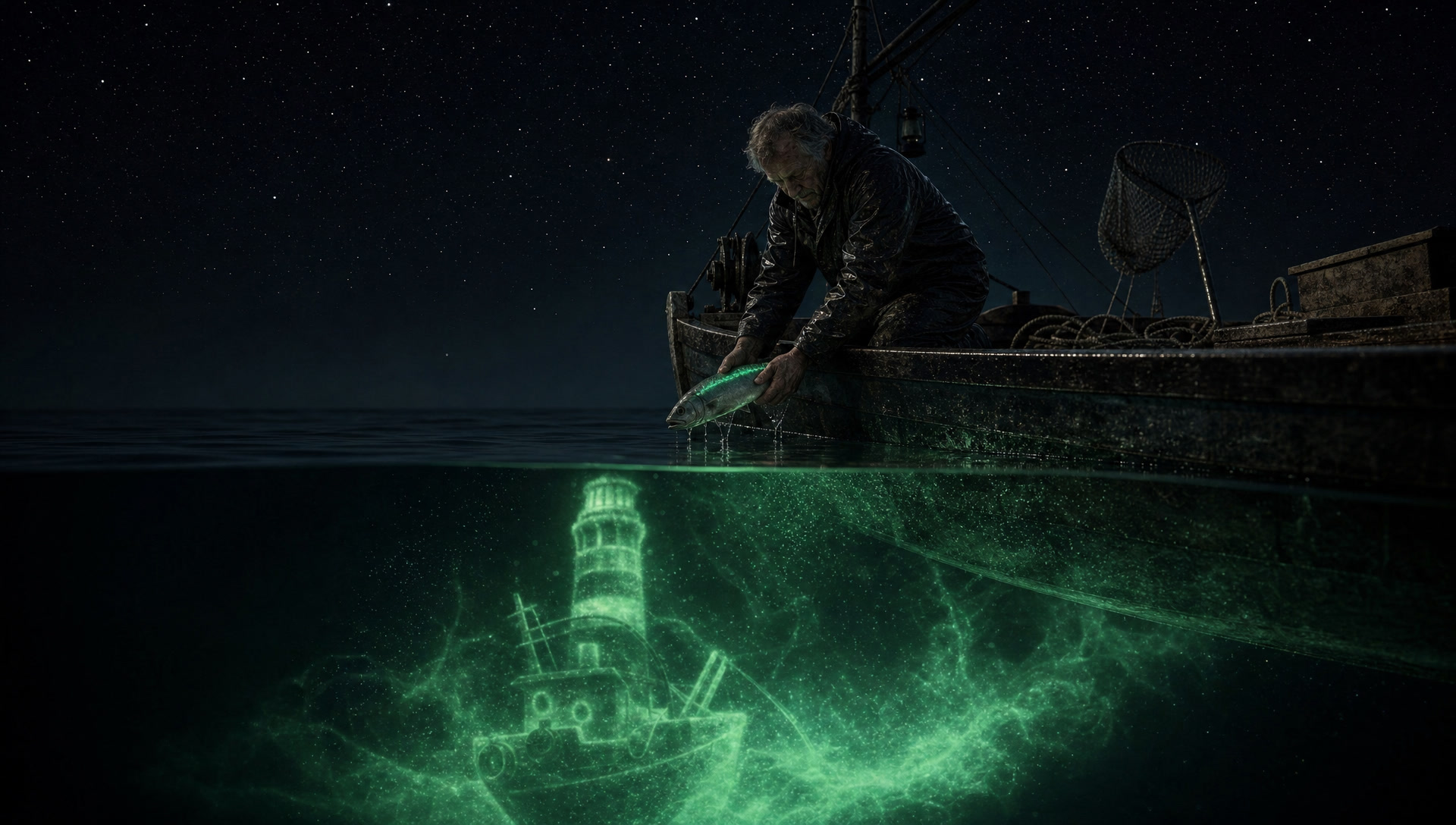
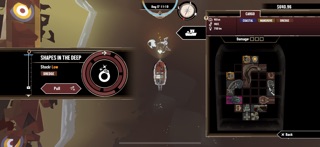
He hauls up one wrong fish: a faint green line, a pale eye that looks at him. He throws it back. It is in the next net. He rows it out; it beats him home. A gull returns it from height. He locks it in the fish box, and the box knocks, once, politely.
So he does the old thing: rows out at night, takes off his cap, and lowers it gently into the deep trench it came from. Under the black water the deep answers, bioluminescence blooming into the game's own mark, and at dawn he motors home with a full deck of honest silver while his wake resolves into the lockup. "Fair trade."


DREDGE+ is a game about the sea's rules and what wrong catches cost. The film is a complete folktale in 26 seconds: three refusals, one act of respect, and a reward with the mark written in the wake.
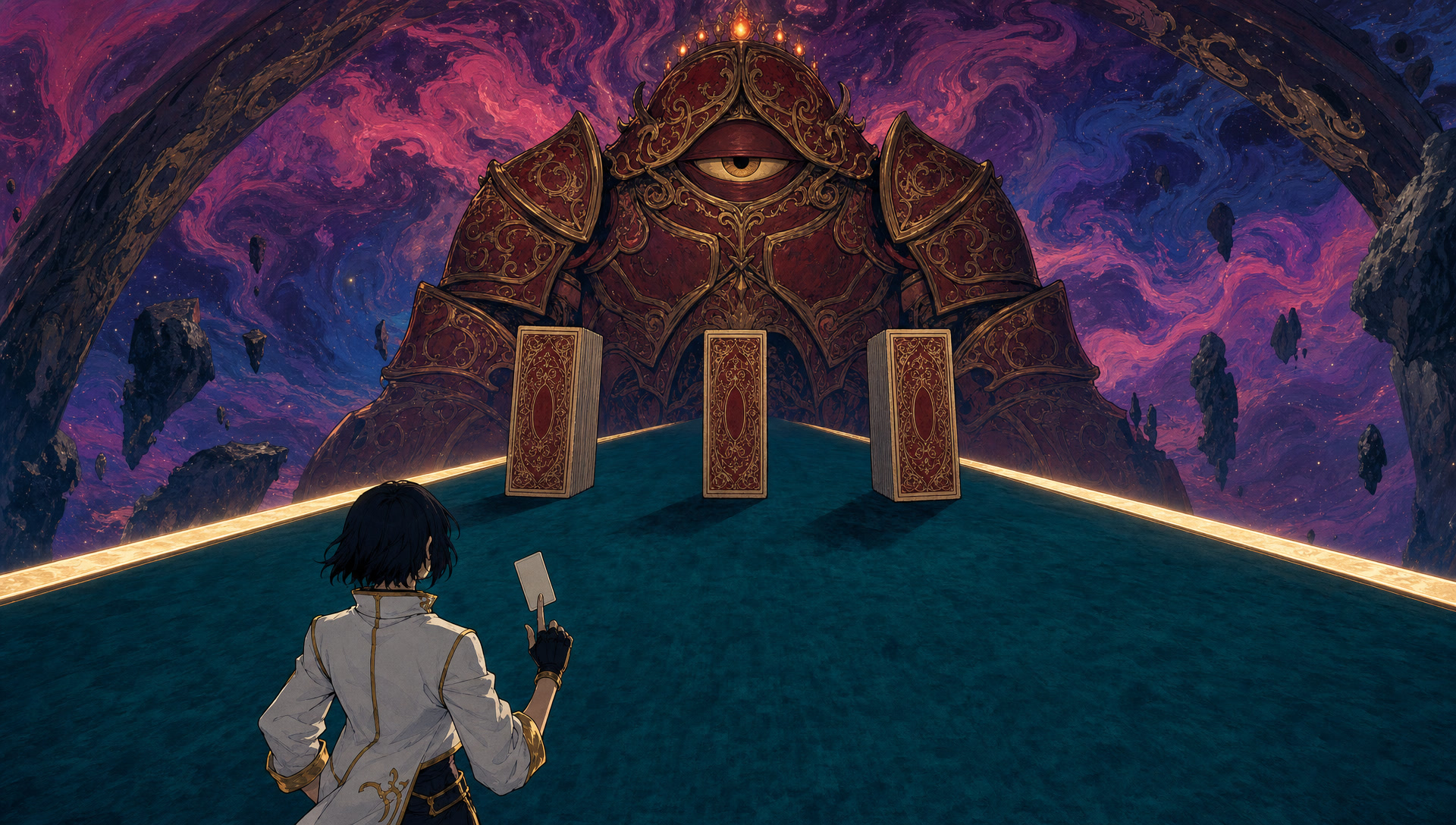
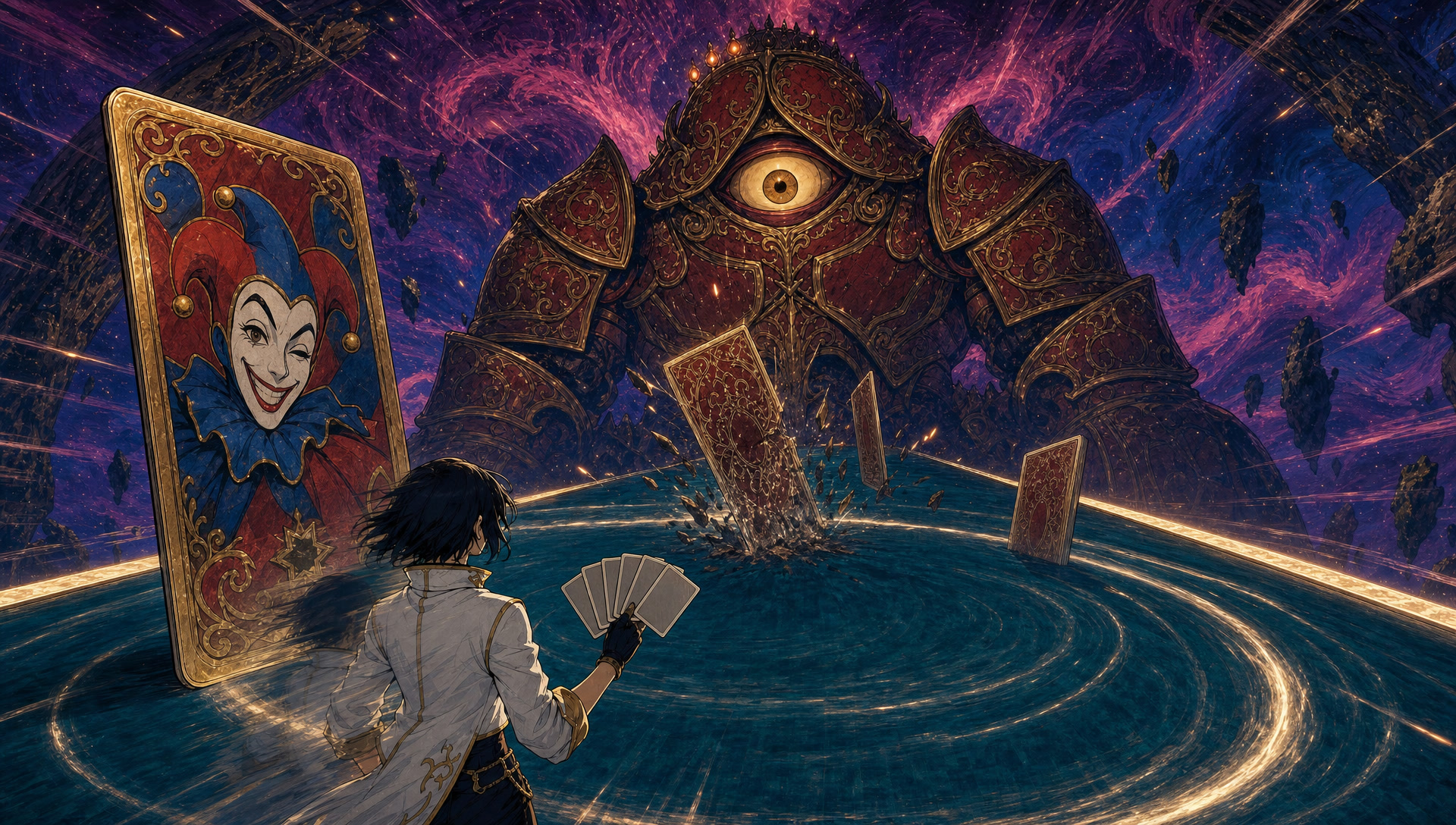
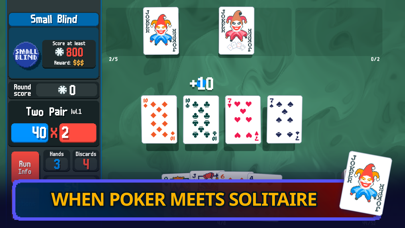
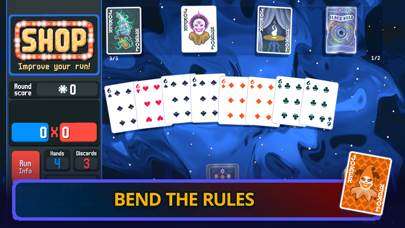
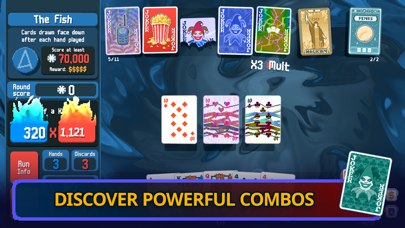
A lane of felt runs to a horizon where the Boss Blind waits: a mountain in ornate card-back lacquer armor, one slow gold eye, a crown of ember-gems. She sizes it up ("Boss Blind."), throws her first hand, and barely rocks it. Then the game's own joker spins in, plants beside her like a staked banner, and winks.
Everything multiplies: her throws trail painted after-images, impacts land in hit-stop, whole rows of the crown go dark, and the score-fire line races the felt until the final flick detonates a column of white-gold from table to sky. The boss shatters along its filigree seams, the storm rains upward into the mark, and she is already re-squaring the deck: "Again."


In Balatro every blind IS a boss and the way past it is multiplication. Hand-painted cel animation plays that fantasy at kaiju scale, and the game signs the win with its own card.
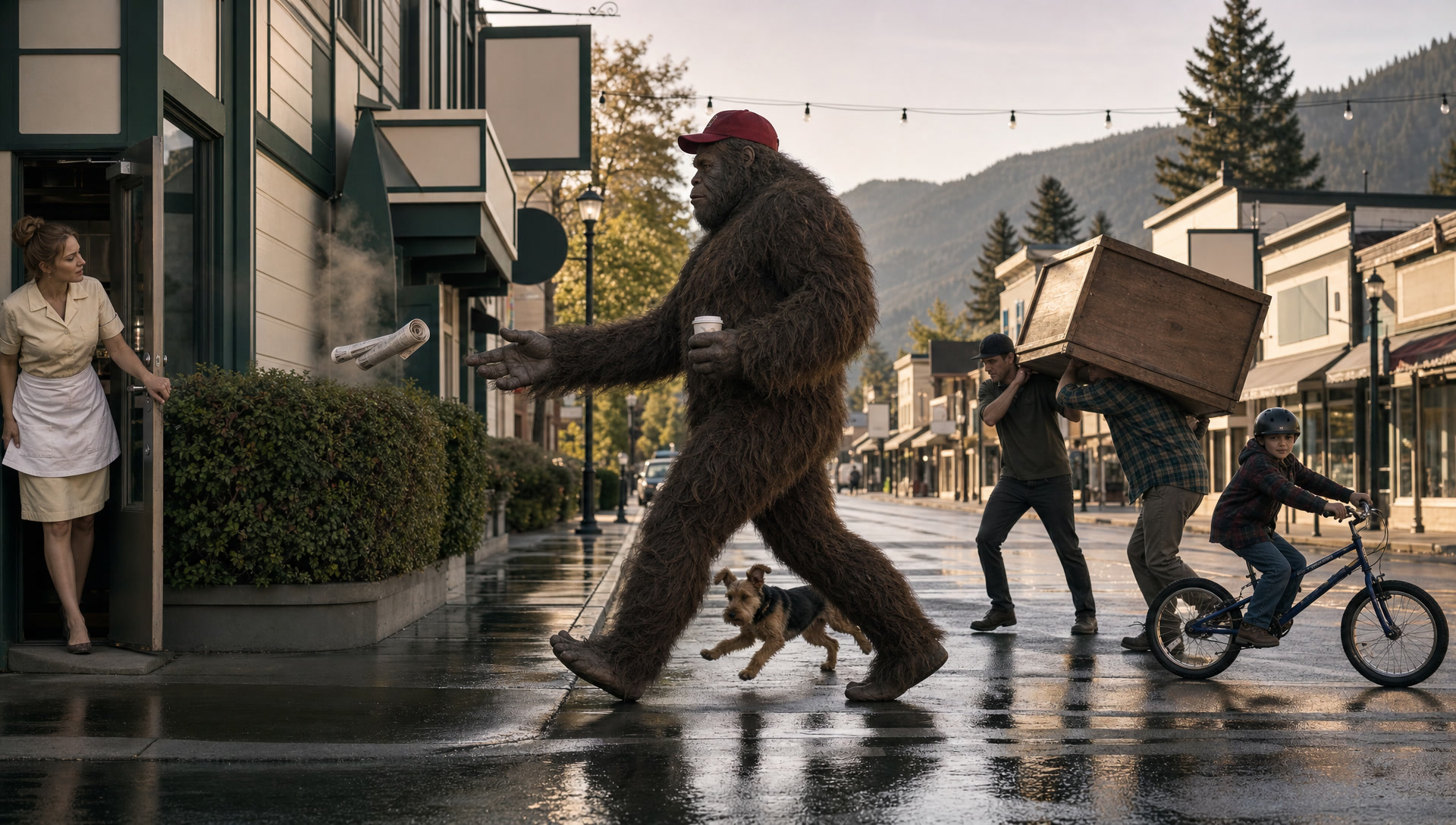
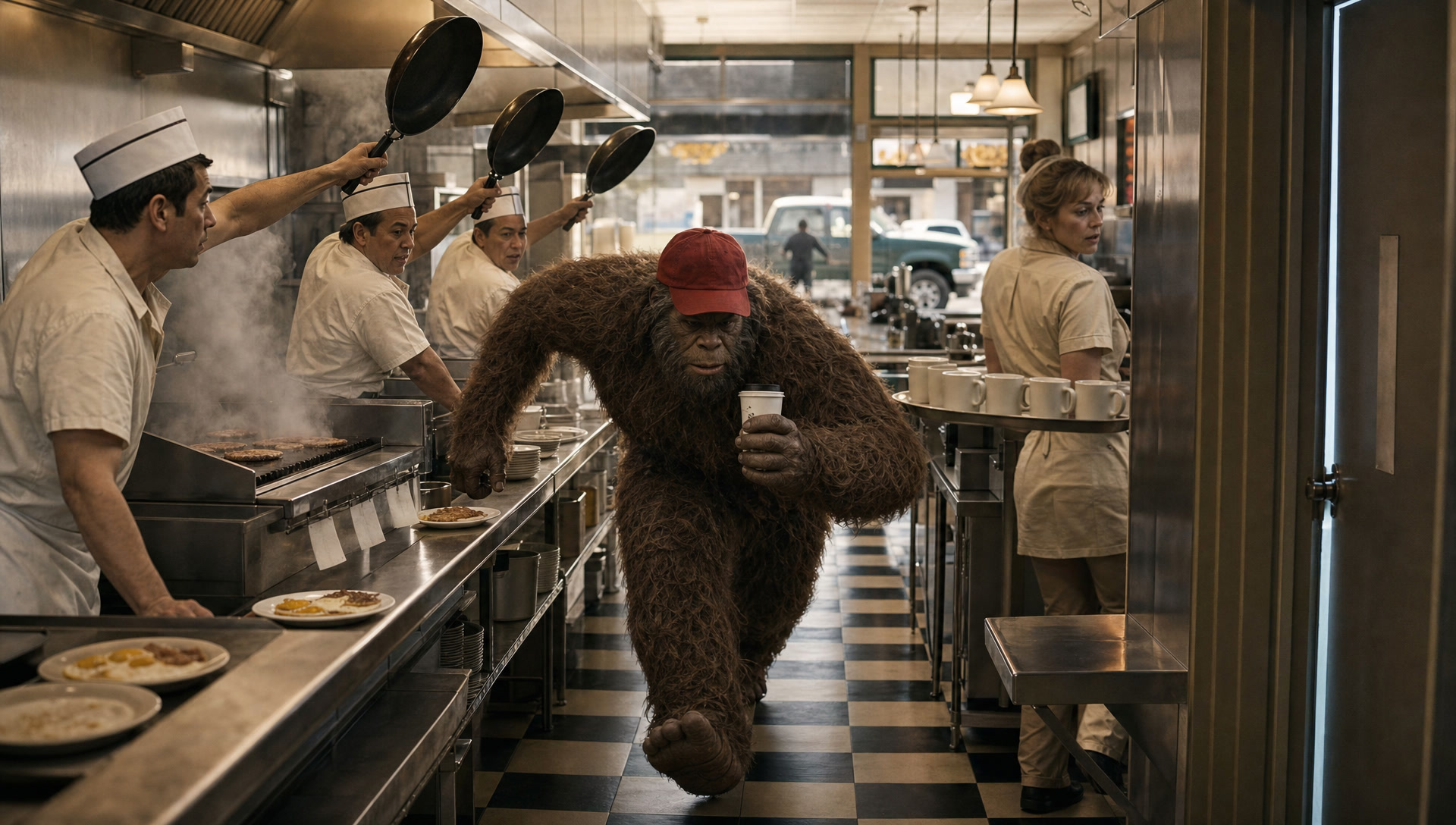
7:58, main street, the coffee already steaming in his hand and the morning paper tumbling past the hedge. The waitress holds the diner door at his exact pace, a terrier eights his legs, a crate swings over the ducked red cap, and two bikes slot into his wake. Nobody breaks stride, least of all him.
When the ranger's green truck takes the crosswalk, the round banks through the diner's galley kitchen, under the hanging pans and straight through the steam, and he steps out of the hedge onto the first tee. The drive climbs into the dawn at 8:03 exactly, the Apple Arcade mark stands white on the sky over his follow-through, and the ranger, arrived just in time, simply watches it fly.


Arcade's best-loved original is a character star, and this film gives him what stars get: an entrance, a town that knows him, and perfect timing.
The slate continues. New premieres take their seats on this page as they finish, matched to the catalog's own monthly drops.
Every premiere is designed, boarded and screened as a working film first. Approve the exact film, then put the production budget behind it.
Adventure, broadcast, dread, handcraft: the slate changes its voice with every title so twelve openings a year never blur into one campaign.
Each film delivers for TV, the Games app front page, App Store editorial, cinema pre‑roll and vertical, from one approved master.